
The Store Is Back. But Not in the Way Retail Expected.
The Store Is Back. But Not in the Way Retail Expected.
For a long time, the industry kept asking whether physical retail had a future.
That question has largely been answered.
The real question now is what that future actually looks like and whether landlords are building for the version of retail that’s emerging, or still trying to recreate the one that already disappeared.
What changed
The disruption of the last several years forced brands to rethink what a store was actually for.
Many of the stores that closed were not bad businesses. They were simply performing functions that digital could now do faster and more efficiently: distribution, discovery, transaction.
What survived physical retail’s reset was something different.
Smaller. More intentional. More experience-led.
The strongest stores became spaces that delivered something digital still cannot fully replicate: physical interaction, community, trust, immersion, and brand connection.
The brands rebuilding physical retail over the last few years have not simply reopened stores. They have fundamentally changed what a store is expected to achieve.
What’s happening now
What’s becoming increasingly clear across the market is that physical retail is returning with real momentum, but the brands driving that return are not the same as the last cycle.
The dominant wave is not traditional retailers rapidly expanding portfolios.
It is digitally native brands entering physical retail for the first time.
Brands that built audiences online.
Validated demand through data.
Built communities before opening doors.
Now they are using physical retail to deepen customer relationships in ways online alone cannot achieve.
Beauty. Wellness. Fashion. Food. Homeware.
Categories where the customer wants to experience the product, not just scroll past it.
These brands are often highly informed before they ever enter a space. They understand their customer profile, know which destinations align with their audience, and move far faster than many traditional leasing structures were designed to accommodate.
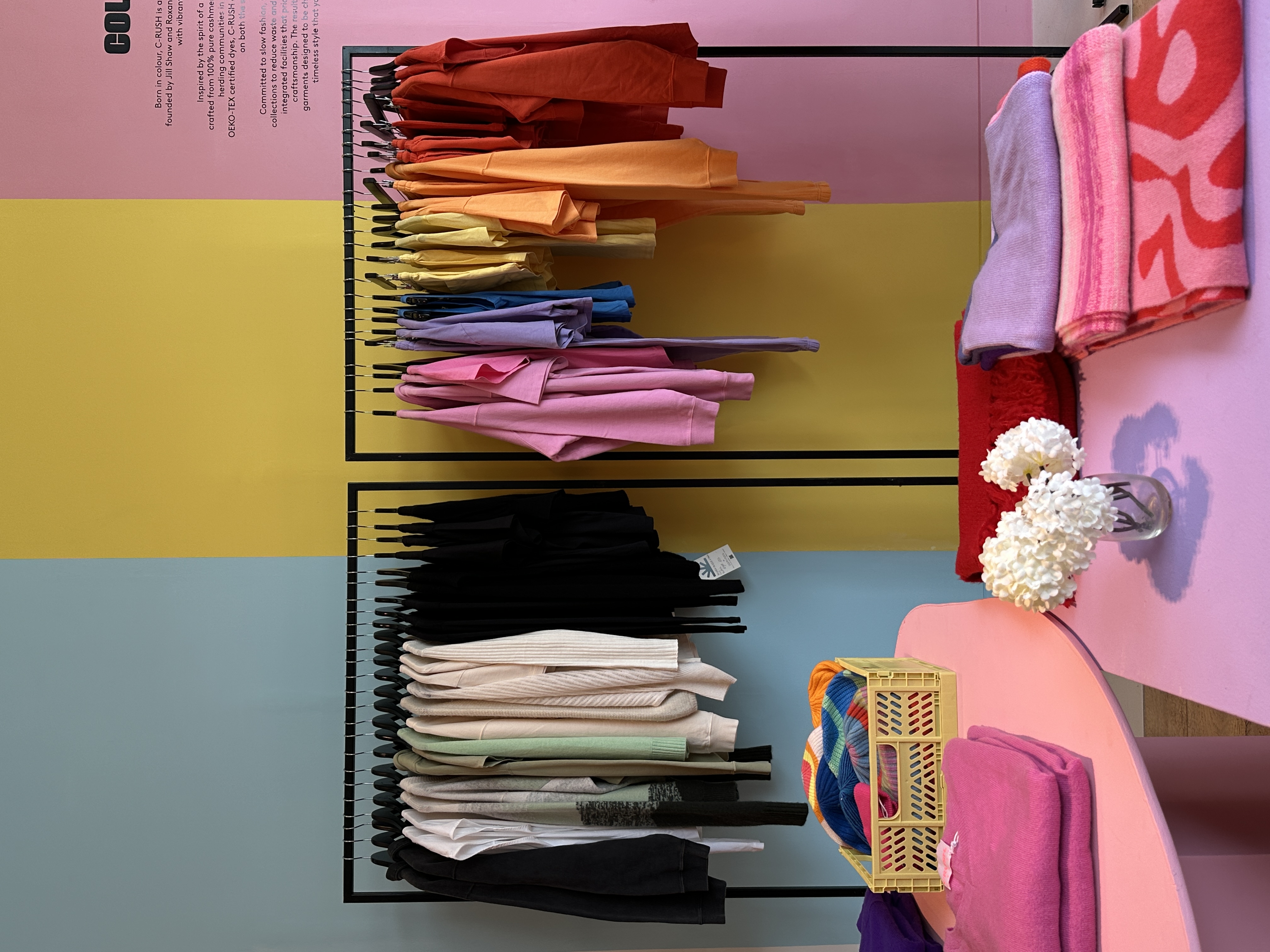
The new version of the store
The store returning to the market looks very different to the one retail property was built around ten years ago.
It is smaller.
Not because brands lack ambition, but because many have learned that a highly productive smaller footprint often outperforms a larger space without the right alignment.
It is more flexible.
Brands increasingly want to test locations before committing long term. They validate first, scale second. Short term retail has become part of the leasing journey rather than an alternative to it.
And it is far more data-driven.
The strongest operators now assess physical retail with the same level of scrutiny they apply online: conversion, dwell time, repeat visitation, customer acquisition, audience overlap, and retention.
The store is no longer viewed purely as a sales channel. It has become a source of customer insight and strategic market validation.
Perhaps most importantly, the relationship between landlord and brand has changed too.
Brands are now evaluating landlords as carefully as landlords evaluate tenants. Speed, flexibility, operational support, process, and the overall quality of the relationship increasingly influence where brands choose to go.
What this means for landlords
The tenant mix that worked in 2018 is unlikely to be the answer for 2026.
The brands entering the market today operate differently in almost every meaningful way:
how they make decisions, how quickly they move, how they measure success, and what they expect from physical space.
The landlords adapting successfully are building infrastructure around this shift:
more flexible leasing models, faster activation processes, stronger operational support, and better visibility into short term retail performance and brand demand.
Others are still waiting for a previous version of retail to return.
But the strongest brands are already moving forward.
Physical retail is not returning as a default channel.
It is returning as a strategic choice.
And the landlords who understand how to support that shift will shape the next generation of retail destinations.
The Revolving Spaces platform was developed to enable landlords and space owners to thrive.


© Copyright 2026, All Rights Reserved by Revolving Spaces